Common Mistakes to Avoid With Feather & Event Decor
At Peacocks Forever, our two decades of experience in the UK’s event decor industry have given us a unique perspective on the most frequent—and costly—errors planners make. From sourcing the perfect plume to the final installation on the big day, each step holds potential pitfalls. This guide, born from countless installations from Scottish castles to London ballrooms, is designed to help you navigate these challenges. By understanding these common mistakes, you can ensure your feather and event decor is nothing short of spectacular, sustainable, and stress-free.
Mistakes in Sourcing and Selecting Peacock Feathers
The foundation of stunning decor is impeccable sourcing. The allure of peacock feathers can lead to hasty decisions, but compromising on quality or ethics at this stage will undermine your entire vision. It’s crucial to understand not just aesthetics, but the legal and biological realities behind these natural products.
Choosing Unethical or Low-Quality Suppliers
One of the most significant errors is purchasing feathers from uncertified or opaque supply chains. For peacock feathers, this isn’t just an ethical concern—it’s a legal one. CITES certification is legally required for the commercial use of peacock feathers in the UK. This international treaty ensures that feathers are sourced as a by-product from regulated, sustainable origins, not from illegal trafficking or harmful practices. Reputable suppliers, like leading UK floral wholesalers Triangle Nursery, adhere strictly to these regulations. Choosing a cheaper, uncertified source risks confiscation of your order, hefty fines, and supporting an industry that harms bird populations.
Ignoring Feather Grade and Condition
Not all peacock feathers are created equal. Selecting solely on price often means receiving feathers that are poorly stored, damaged, or inconsistently sized. Key indicators of quality include:
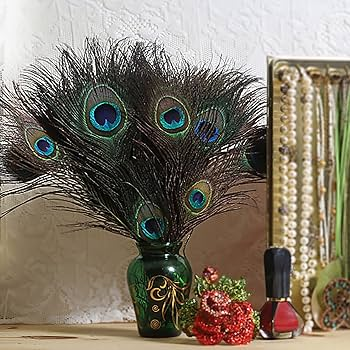
- Eye Clarity & Structure: The iconic ‘eye’ should be crisp, fully formed, and intact, not frayed or missing barbs.
- Shaft Straightness & Strength: A bent or weak shaft will not stand upright in arrangements.
- Barb Integrity: Feathers should be full and fluffy, not matted or stripped from improper handling.
- Colour Vibrancy: Natural iridescence should be deep and luminous, not faded from sun exposure.
Always request detailed photos of the actual batch and ask about storage conditions—feathers kept in damp environments can develop mould.
Misunderstanding White Peacock Feathers vs. Dyed Whites
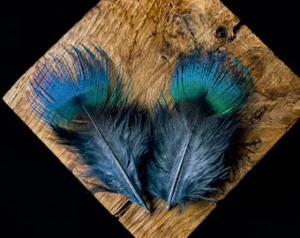
A specific and common point of confusion lies in white feathers. White peacock feathers are a natural genetic variation, not to be confused with bleached or dyed white feathers. The difference is critical for both aesthetics and durability. Natural white-peacock feathers have a soft, creamy lustre and a robust, flexible structure. Feathers that are chemically bleached to white become brittle, lose their natural sheen, and often develop a yellowish tinge over time. For a pure, lasting white in high-impact arrangements, insisting on genuine white-peacock feathers from a trusted breeder is a non-negotiable investment.
Errors in Event & Wedding Decor Planning
Even with perfect feathers, poor planning can derail your decor. Event styling is a logistical ballet, and feathers add a layer of complexity that requires forethought. We’ve seen how last-minute decisions or a lack of cohesion can diminish the potential of even the most beautiful venues.
Poor Theme Cohesion and Colour Clashing
Peacock feathers are powerful statement pieces, not neutral fillers. A jarring error is forcing them into a theme where they don’t belong or clashing their natural palette. The rich blues, greens, and bronzes of classic peacock feathers demand a complementary colour scheme. For a vintage theme, pairing them with burgundy and gold is sublime; for a modern look, navy and emerald work beautifully. Throwing them into a pastel pink and mint scheme without careful curation, however, will look disjointed. Always create a physical mood board with actual feather samples against your fabric swatches and paint colours.
Underestimating Quantities and Lead Times
The “more is more” adage often applies to feather decor, but planners frequently underestimate the volume needed for impact. A single centrepiece may require 15-20 high-grade feathers, not just a handful. For aisle markers, arches, or large installations, quantities can run into the hundreds. Ordering last-minute leads to compromised quality and exorbitant express shipping costs. We recommend finalising quantities and placing orders at least 8-12 weeks before your event. This is especially vital when sourcing specific items like natural white-peacock feathers, which have limited, seasonal availability.
Neglecting Venue Layout and Practicalities
Your venue’s architecture and rules dictate your decor possibilities. This is a critical oversight, particularly in the UK’s historic venues. Historic UK venues like Blenheim Palace often have strict decor guidelines that must be considered. These can prohibit anything attached to ancient woodwork, restrict open flames near delicate fabrics, or limit installation times. A floating feather installation that works in a modern London hotel may be impossible in a timber-beamed Tudor hall. Always conduct a detailed site visit with your stylist, review the venue’s contract thoroughly, and factor in setup/breakdown time logistics for delicate items.
Handling and Staging Mistakes with Feather Decor
Once your perfect feathers arrive, improper handling can quickly ruin them. From storage to staging, these natural elements require a gentle touch and an awareness of their environment. The most breathtaking installations are always underpinned by meticulous on-the-day care.
Improper Cleaning and Maintenance
Feathers are not washable. A common mistake is attempting to clean dusty or dishevelled feathers with water or chemical sprays, which causes barbs to clump and mould to form. The correct method is gentle dry cleaning. Use a hairdryer on a cool, low setting to blow away dust, or lightly steam from a distance to revive fluffiness. For storage, they must be kept in a dry, breathable container (never plastic bags) away from direct sunlight to prevent colour fading and insect damage.
Ineffective Display and Installation Techniques
Simply plopping feathers into a vase won’t create a professional look. The common DIY error is not properly supporting the shaft. Florist’s foam, chicken wire, or specialised feather holders are essential to keep arrangements upright and intentional. For hanging installations, individual feathers must be securely wired or tied—relying on glue guns is a temporary and messy solution. Furthermore, consider sightlines; feathers look magnificent from all angles, so ensure installations are designed to be 360-degree experiences, not just flat backdrops.
Overlooking Health, Safety, and Allergen Considerations
This is a paramount yet frequently ignored area. Feathers can be a mild allergen for some, so they should not be used in direct, overhead food preparation areas. The most serious risk involves fire safety. Loose feathers or installations placed too close to naked flames (like candles on dining tables or in fireplace displays) are a significant fire hazard. This is a particular concern in draughty, historic venues where a stray ember or a gust of wind could have devastating consequences. Always use LED alternatives for candlelight near feather decor and ensure all installations are securely fixed to avoid falling hazards.
Budgeting and Sustainability Oversights
In today’s event landscape, value is measured beyond the initial invoice. A shortsighted approach to budget and environmental impact is a major mistake that can affect your event’s legacy and footprint. Couples and planners are increasingly seeking beauty that doesn’t come at an excessive cost to the planet or their long-term finances.
Prioritising Initial Cost Over Long-Term Value
Opting for the cheapest, lowest-grade feathers or decor hire is a false economy. These items often arrive damaged, look lacklustre, and need constant on-the-day fixes, adding stress. Investment-grade feathers from ethical sources, while a higher initial outlay, are durable, reusable, and often available for resale after the event, offering a partial return. They become heirloom decor pieces. Similarly, hiring from a specialist like Peacocks Forever means receiving pieces designed for multiple events—robust, professionally maintained, and guaranteed to impress.
Disregarding Environmental Impact and Disposal
The post-event waste of single-use decor is a growing concern for UK couples. Feathers themselves are natural and biodegradable, but the materials used with them often are not. A sustainable approach involves planning for the afterlife of your decor from the outset. This includes:
- Choosing rental items over single-use purchases.
- Designing arrangements that can be broken down and sold or donated.
- Using biodegradable mechanics like moss and willow instead of plastic foam.
- Specifying biodegradable glitter and eco-friendly adhesives are increasingly requested for sustainable UK weddings instead of plastic-based alternatives.
Communicate your sustainability goals to your stylist so they can source accordingly.
Working with Professionals and DIY Pitfalls
Knowing when to call in the experts is the hallmark of a savvy planner. While DIY projects can be rewarding, they carry high risks with delicate materials like feathers. A collaborative partnership with seasoned professionals is the surest path to a flawless execution.
Inadequate Briefing for Florists and Stylists
Assuming your florist is a feather expert is a common error. Many traditional florists work primarily with fresh flowers and may lack experience in handling, dyeing, or installing feathers. It is your responsibility to provide a comprehensive brief. This should include supplying physical samples, discussing sourcing (especially CITES certification), and being clear on the desired density and styling. Reference photos are helpful, but a detailed conversation about texture, movement, and logistics is essential. Ensure they partner with a trusted wholesaler like Triangle Nursery for their feather supplies.
Common DIY Application Errors
For those embarking on a DIY project, awareness of these typical mistakes can save your decor:
- Over-gluing: Saturating feathers with hot glue, creating stiff, unnatural clusters and visible glue strands.
- Poor Symmetry & Balance: Randomly placing feathers without considering visual weight, leading to lopsided centrepieces.
- Damaging Feathers During Prep: Cutting shafts with poor scissors causes splitting; forcing feathers into hard foam breaks the delicate tip.
- Ignoring Scale: Using small feathers for a large arch (losing impact) or large feathers in delicate place settings (overpowering the table).
If undertaking DIY, practice extensively months in advance with a small batch of feathers, and don’t leave assembly to the last minute.
FAQ
Are peacock feathers ethical to use for weddings?
Yes, when sourced correctly. It is vital to use a supplier who provides CITES-certified feathers. This guarantees they are a by-product from regulated sources, such as birds naturally moulting or from ethical aviaries, and not obtained through harmful means. We have built our 20-year reputation on this ethical foundation.
Can I use real peacock feathers near candles?
We strongly advise against it. Loose feathers and flammable decor near open flames present a serious fire risk. Always opt for beautiful, realistic LED candle alternatives to create a safe yet equally ambient atmosphere, especially in historic venues with strict safety protocols.
What’s the difference between natural and dyed peacock feathers?
Natural feathers display the bird’s inherent iridescent colours. Dyed feathers have been chemically coloured, often resulting in less vibrant, flatter hues and potentially weakened structures. The most notable distinction is with white feathers: natural white-peacock feathers are a genetic rarity with a creamy lustre, while dyed or bleached whites are often brittle and can yellow.
How far in advance should I order my feather decor?
For a standard order, we recommend a minimum of 8 weeks. For large events, specific colours, or rare items like natural white-peacock feathers, 12-16 weeks’ lead time is prudent. This allows for careful sourcing, quality checks, and shipping, avoiding last-minute panic and compromise.
Are feather decorations reusable or biodegradable?
Both! High-quality feathers are incredibly durable and can be carefully cleaned, stored, and reused for multiple events. At the end of their long decorative life, natural feathers are biodegradable. The key to sustainability is pairing them with eco-friendly mechanics like biodegradable glitter, moss, and paper-wrapped wires, avoiding plastic foams and tapes.
In summary, breathtaking feather decor is achieved through meticulous planning, informed ethical sourcing, and professional execution. By avoiding these common pitfalls—from neglecting CITES certification to overlooking venue safety rules—you elevate your event from simply decorated to authentically extraordinary. Let your planning be as thoughtful and impressive as the final display itself.